Yazawa
Dr. Kazunaga YazawaWe asked Dr. Kazunaga Yazawa, a guest who visits us every month, about lamb.
SUPERVISOR
What he told us about the lamb we serve
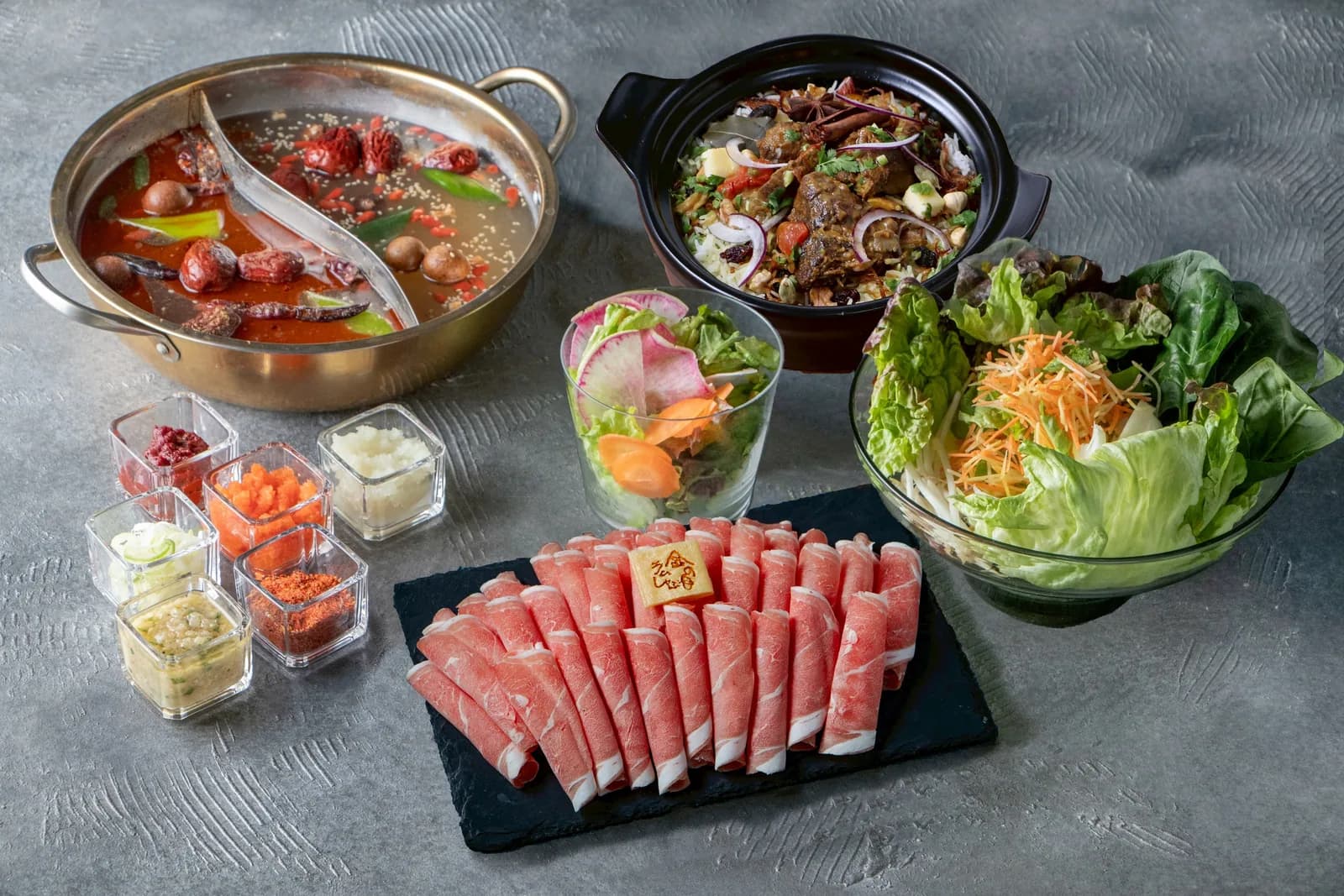
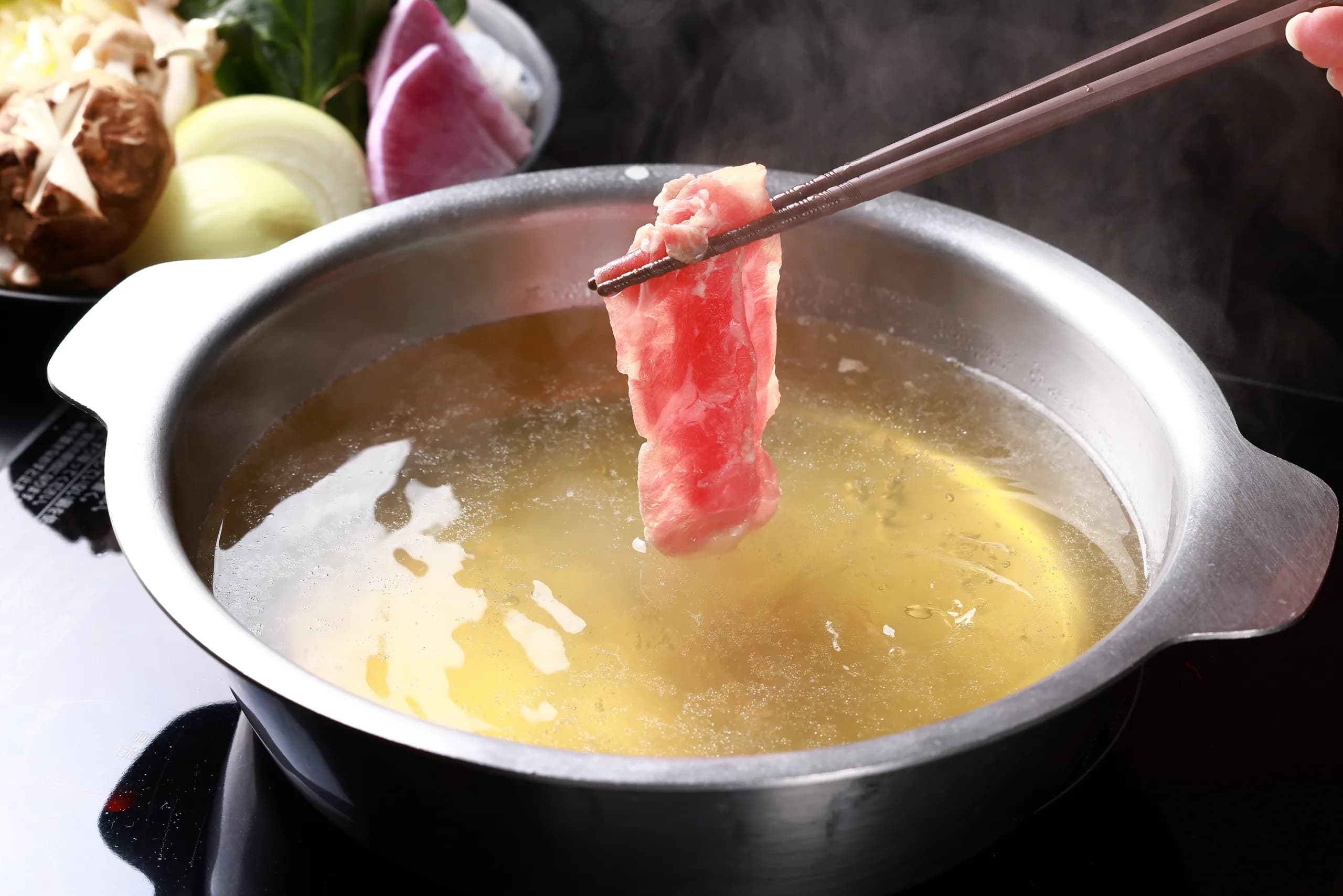
“The lamb at Lamb Shabu KINNOME has little fat on it. The proof is how little fat rises to the surface of the pot when you cook it shabu-shabu style. It has no smell, either. It is a meat rich in protein that you can enjoy as shabu-shabu, and it is also known for containing a large amount of L-carnitine, a type of amino acid.” That is how Dr. Yazawa described the lamb we serve.
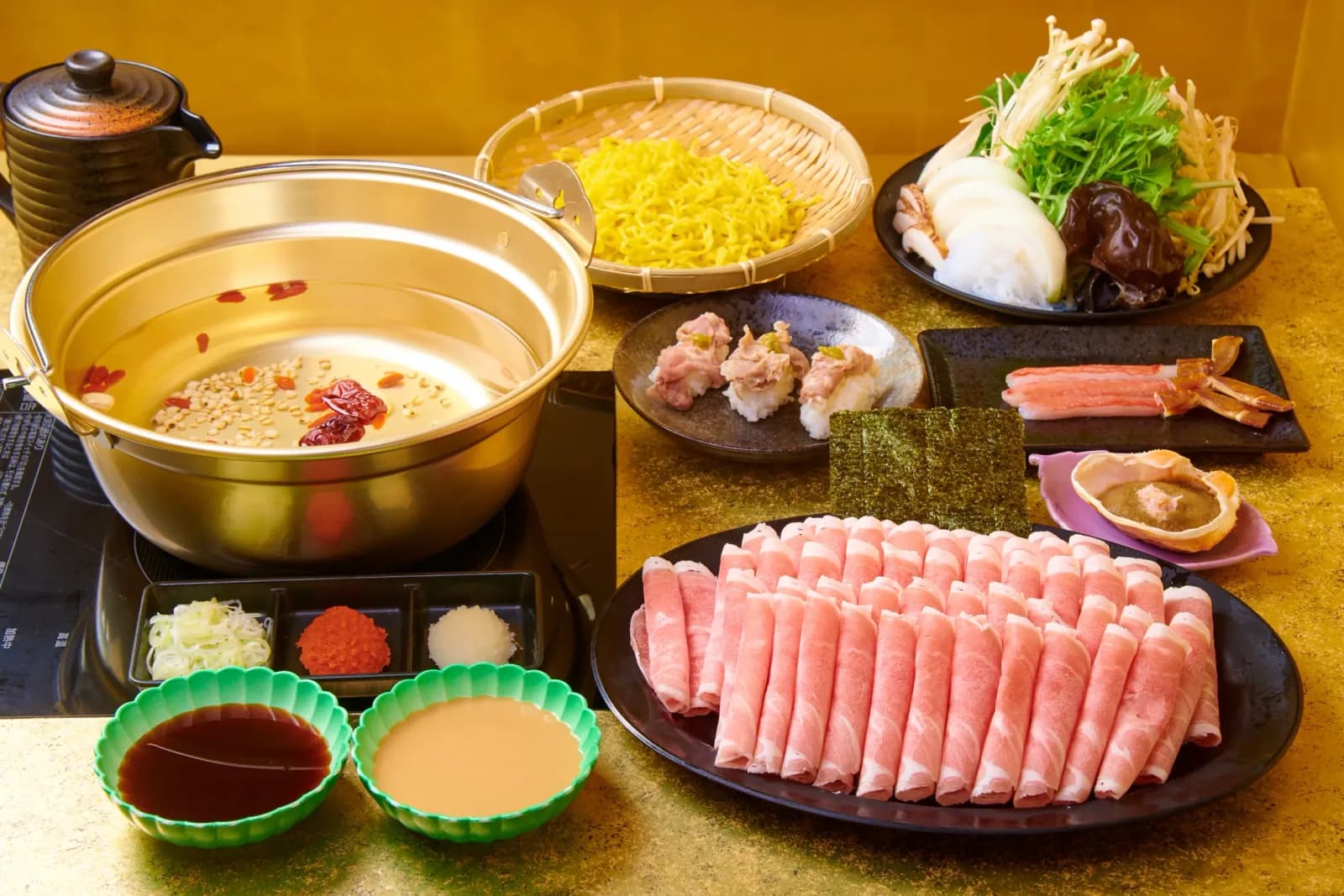
- Thinly sliced lamb
- Through the paitan broth
COMPOSITION
L-carnitine, the compound
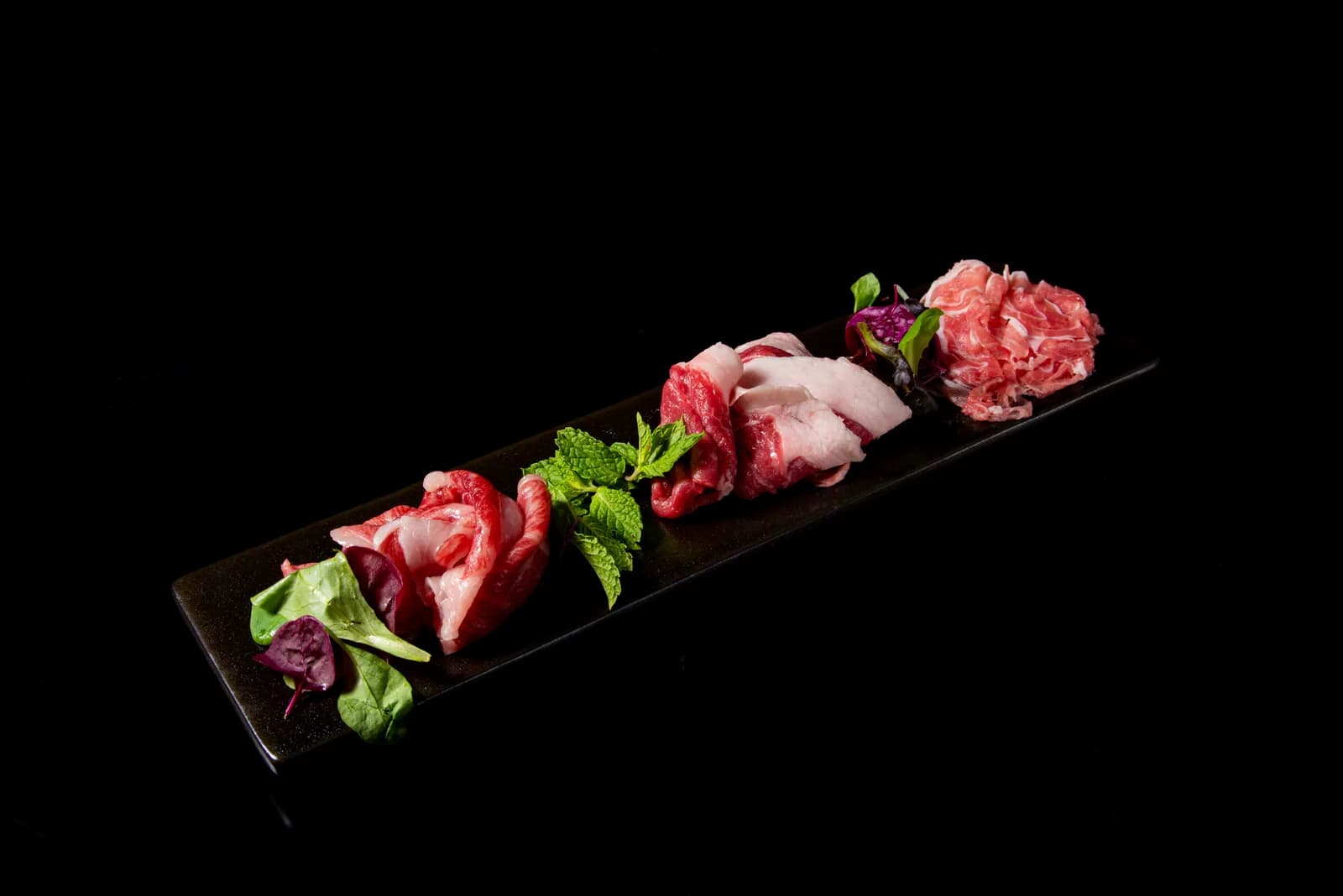
L-carnitine is a type of amino acid. It is made in the liver and the kidneys from the essential amino acids lysine and methionine, with the help of vitamin C, iron, vitamin B6 and niacin. Among meats, lamb contains a large amount of it — roughly twice as much as pork. Lamb also contains minerals such as iron, zinc and copper, as well as B vitamins.
* This page describes the compounds found in an ingredient and the characteristics of that ingredient. It does not promise any particular health effect, nor any change in body weight or shape.
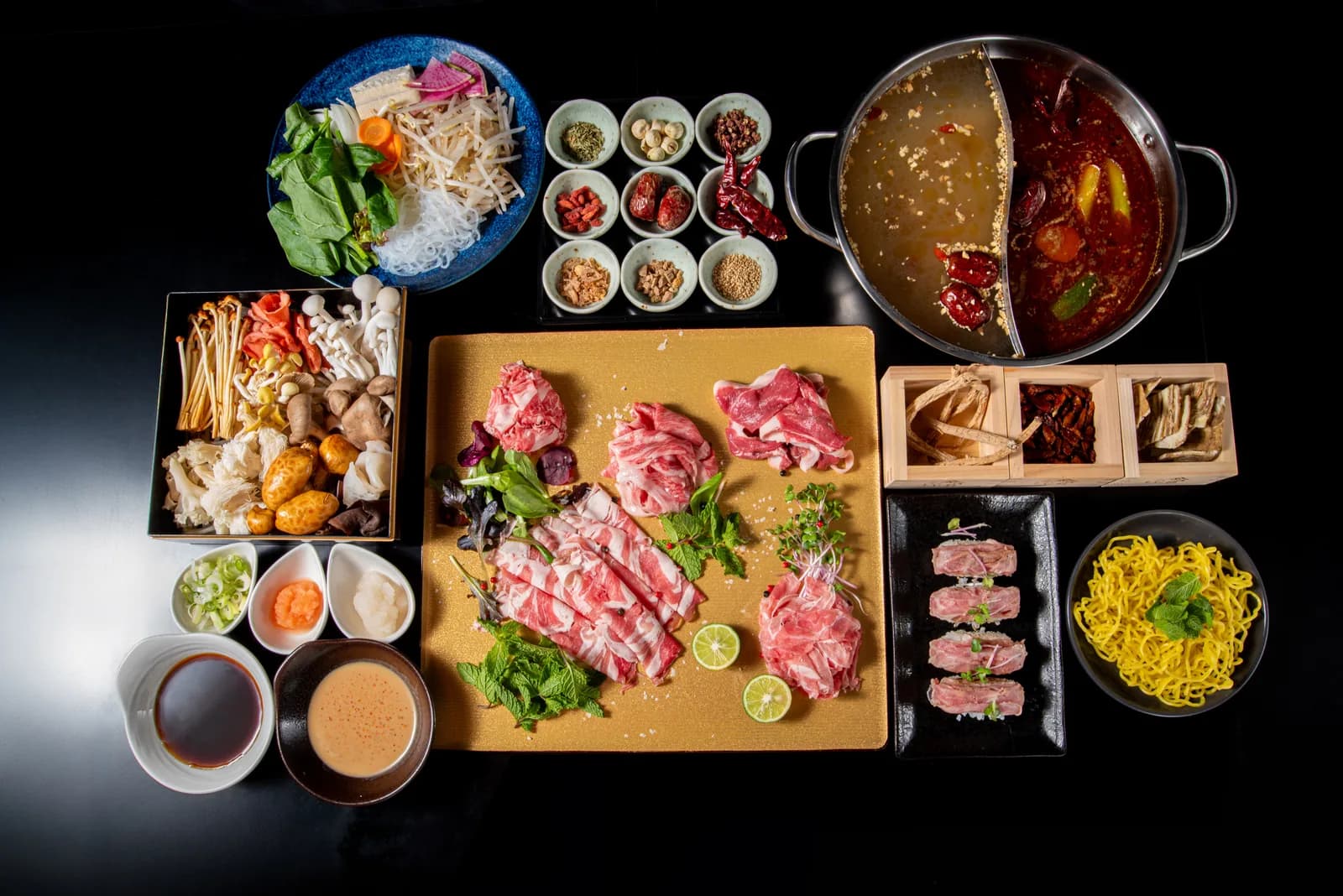
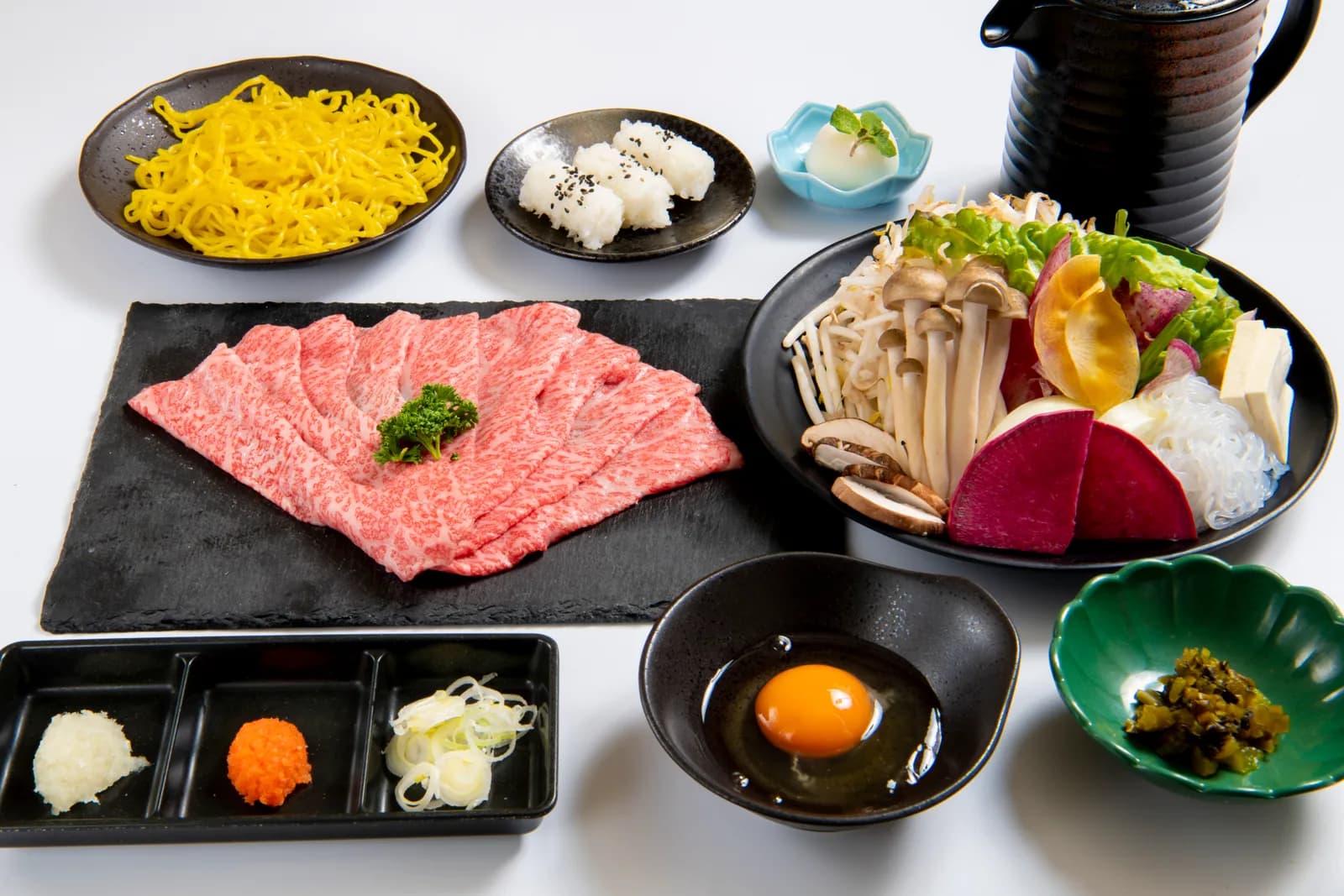
- The course, set out
PROFILE
Kazunaga Yazawa
- Degree
- PhD in Agriculture
- Current posts
- Head, Health Food Science Division, Comprehensive Research Organization, Waseda University Institute for Nano & Life Innovation Director, Shonan Preventive Medical Science Institute Visiting Professor, Shenyang Pharmaceutical University, China Visiting Professor, Kumamoto Health Science University Special Advisor to the President, Bunkyo University
CAREER
Career
- 1972
- Graduated, Department of Industrial Chemistry, Faculty of Engineering, Kyoto University
- 1973
- Joined Yakult Honsha Co., Ltd., Central Institute (Microbial Ecology Laboratory)
- 1986
- Joined Sagami Chemical Research Institute as Chief Researcher
- 2002
- Visiting Professor, Endowed Course in Health Food Science (Toichiro Nakashima Memorial), Graduate School of Fisheries Sciences, Tokyo University of Fisheries (now Tokyo University of Marine Science and Technology)
- 2012
- Specially Appointed Professor, “Research on Food Safety and Function (Health Food Science)” project, Tokyo University of Marine Science and Technology
- 2014
- Professor, Health Food Science Division, Comprehensive Research Organization, Waseda University Institute for Nanoscience and Nanotechnology
- 2019
- Head, Health Food Science Division, Comprehensive Research Organization, Waseda University Institute for Nano & Life Innovation
BOOKS
Selected books
He has written more than 100 books. A selection is listed here.
- 1999
- “Marine Vitamin Health Method” (Gendaishorin)
- 2007
- “Lectures in Health Food Science” (Shokuhin Kagaku Shimbunsha)
- 2009
- “The Science of Astaxanthin” (Seizando)
- 2012
- “Functional Snacks” (Fusosha)